
 Written by
Everything is immediately accessible these days. If you don’t have time to make yourself a proper meal, it is very simple to get something to eat within a 10 minutes walk (or just by using your phone and not moving at all). Sure, you might be saying that whatever you’re ordering or buying directly still has some protein, carbohydrate, and fat value to it, that should be enough right?
Well… Maybe not.
There are only 3 systems in place that actually get your body to burn calories while you’re resting:
1 – RMR (Resting Metabolic Rate)
2 – NEAT (Non-Exercise Activity Thermogenisis)
3 – TEF (Thermic Effect of Food)
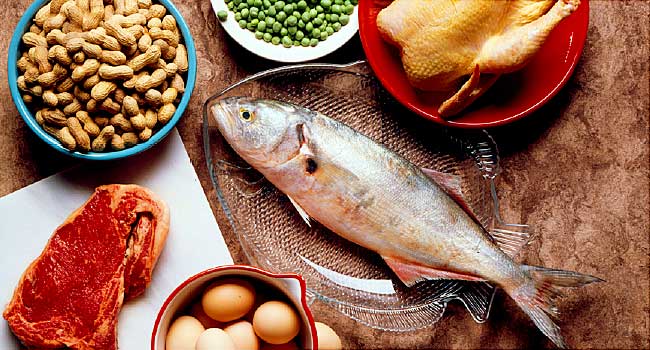
The first two you can control by increasing lean body mass and getting your steps in during the day, however the last one is going to depend solely on the food that you eat. The food quality has a direct impact on how many calories your body will burn in order to digest an absorb it. The better the food, the more energy you body uses to break it down meaning you can actually burn calories while you eat! However, the opposite is also true, so if you eat low-quality take-out then you will have a much lower effect while eating the same calories (meaning more will get stored instead of burned).
Summary:
- Low-quality, processed food can have on average a thermic effect of about 10%* (meaning at 500 kcal, you might burn about 50 kcal to digest it)
- High-quality, whole foods can have on average a thermic effect of between 19.9 – 25%* (meaning at 500 kcal, you can burn between 100 – 125 kcal to digest it!)
*The percentage of thermic effect and absorbtion will also depend on an individuals microbiome status
Reference:
Barr, Sadie B, and Jonathan C Wright. “Postprandial energy expenditure in whole-food and processed-food meals: implications for daily energy expenditure.” Food & nutrition research 54.1 (2010): 5144.

