 Written by
Pre-made foods are great, but once you’re off it’s pretty much chaos.
Everything that we do as humans now and progressing forward is making us less consciously aware and more reward driven. It’s unfortunately human nature to let Needs, Wants, and Likes to drive what we do with little thought involved in the process.
So what do we do?
We think more. We become more present. We try to have more cognitive oversight in all the decisions that we make. Otherwise we become slaves to marketing, advertisements, short-term hunger cues, and an increasing emptiness that only “having more” will attempt to fix.
Food is no different.
In any type of weight loss there is always going to be a constant battle between short-term hunger cues (i.e “OU! That looks good, I want to eat that now”) and your own cognitive oversight (“I know that isn’t good for me/in line with my goals, so I will not eat it”). It’s definitely not as easy as I’m making it sound, because if it was we wouldn’t have an obesity crisis on our hands. Many times though, having that cognitive oversight isn’t easy. Even when we’re trying to be healthy, companies have a way of getting involved. Pre-made healthy meals, baskets, ingredients with recipes in the box are all great ideas. Honestly, used properly these things can be a stepping stone to become more creatively active when it comes to food… or they can be a crutch that makes you avoid learning how to do anything.
The three main reasons why you should be cooking your own food and refraining from relying on companies (however well-meaning) to do it for you are:
1) You Know What You’re Putting In
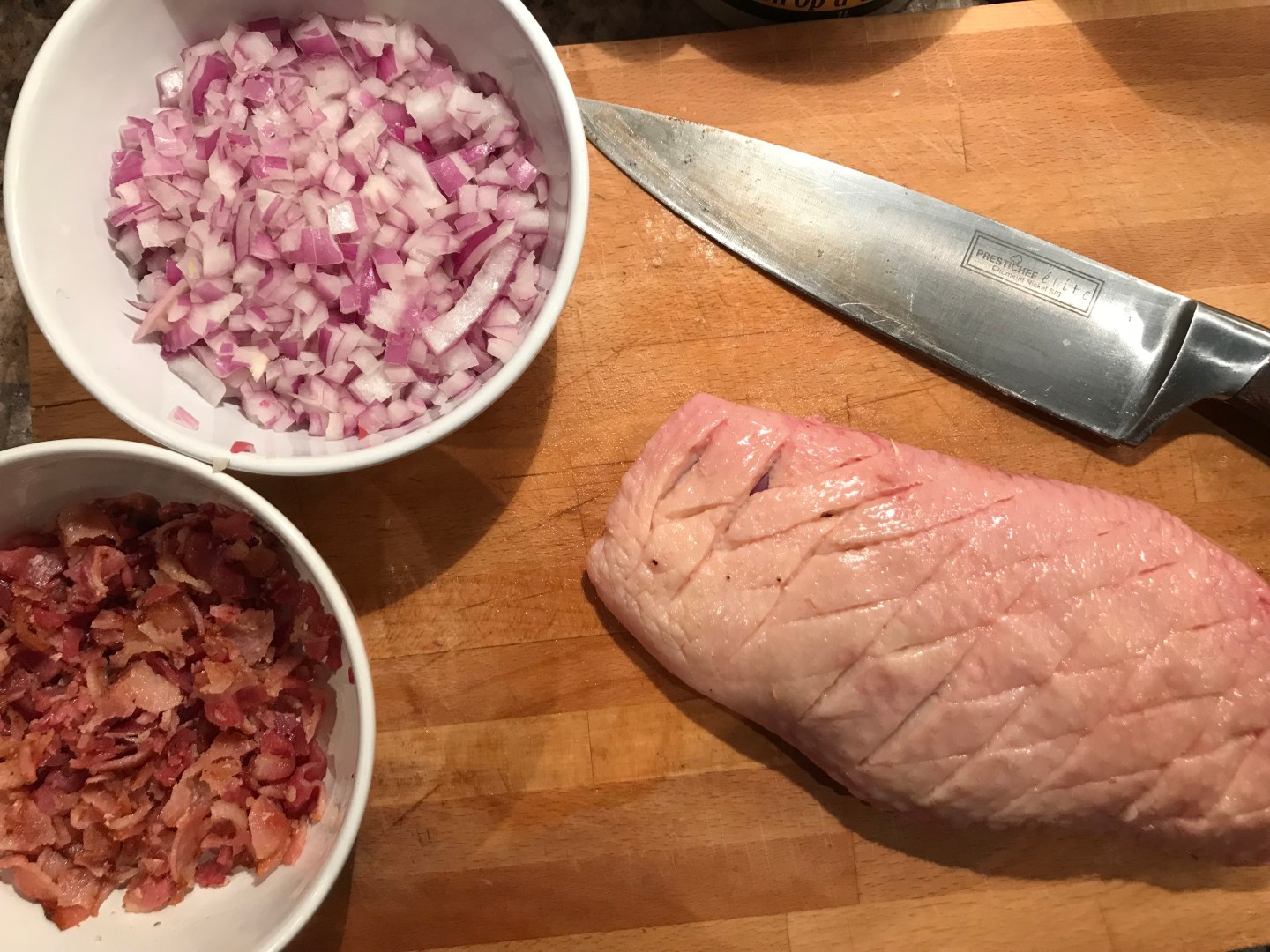
This is a big one. A steak at home and a steak in a restaurant are NOT the same thing no matter how much you may try to convince yourself. Remember that a chef’s entire education is based off of making food more hyperpalatable. Things are meant to be made extremely tastey and enjoyable, that’s why meats are fried in butter, sauces have sugar in them, and everything is salted (sugar, salt, & fat drive us).
What we want to do is remove the hyperpalatable foods and triggers, and replace them with delicious food that will be dense in nutrients but not in energy (i.e calories). The more food you make in your kitchen, the more variables you have control over -it’s as simple as that.
Does this mean you can’t use anything to make it taste better? Absolutely not, but at least now you have control over it.
2) It Gives You A False Sense of Structure
This is actually something I keep encountering with clients. One of my favorite parts about working with clients is teaching them the “whys” behind the methods. When you understand why you’re doing something and how it works, you are more likely to understand the need and importance of it. For example:
If you decide that eating healthier is you going online and ordering from a company that pre-makes healthy meals, that’s okay. The problem is that at a certain point you are not going to live out of these plastic containers. For most people, it’s ordering enough meals for a work-week and then come the weekend you can’t rely on other people cooking and measuring your food for you, so it all turns to chaos. What can you eat? What can’t you eat? How much? When? You’re suddenly flooded with a bunch of overwhelming variables that most people can’t deal with in one shot. So we resort to calling it a “Cheat day” or “Cheat weekend” and blow out our calorie deficit for the week.
This situation is so much more common than you think, and it becomes damaging in the long run since the biggest predictor of success is building habits.
3) Learn the Value of Food, Connect With It
Alright this might sound unimportant, but once again it is one of the ways many of my clients have found success: Valuing food.
Food is nourishment; It’s information; it’s emotional. Most people over-eat because they underestimate the value of food and resort to mindless eating. The fact that you no longer need to hunt, forage, or grow your own food makes this a distant idea for many people. Even more, to eat things that would have normally taken you hours to make, you can now walk 10 minutes in any direction and get the same thing already made and ready for you.
What kind of value does that place on food and the importance of its quality? This is one of the biggest reasons why over-nutrition is so rampant. Sure, advertisements and constant food cues don’t help, but not having any connection to the ingredients that go into what fuels your body (for better or for worse) is a big deal in the onset of chronic disease.
Getting to know where your meat and vegetables come from, what’s in season, how to grow easy fruits, veggies, and herbs is a huge step in the right direction. This is just another way that you can be cognitive about what you eat. Habit-building, structure, presence and valuing yourself and what you put in your body are your long-term guarantees of success.
J

