
 Written by
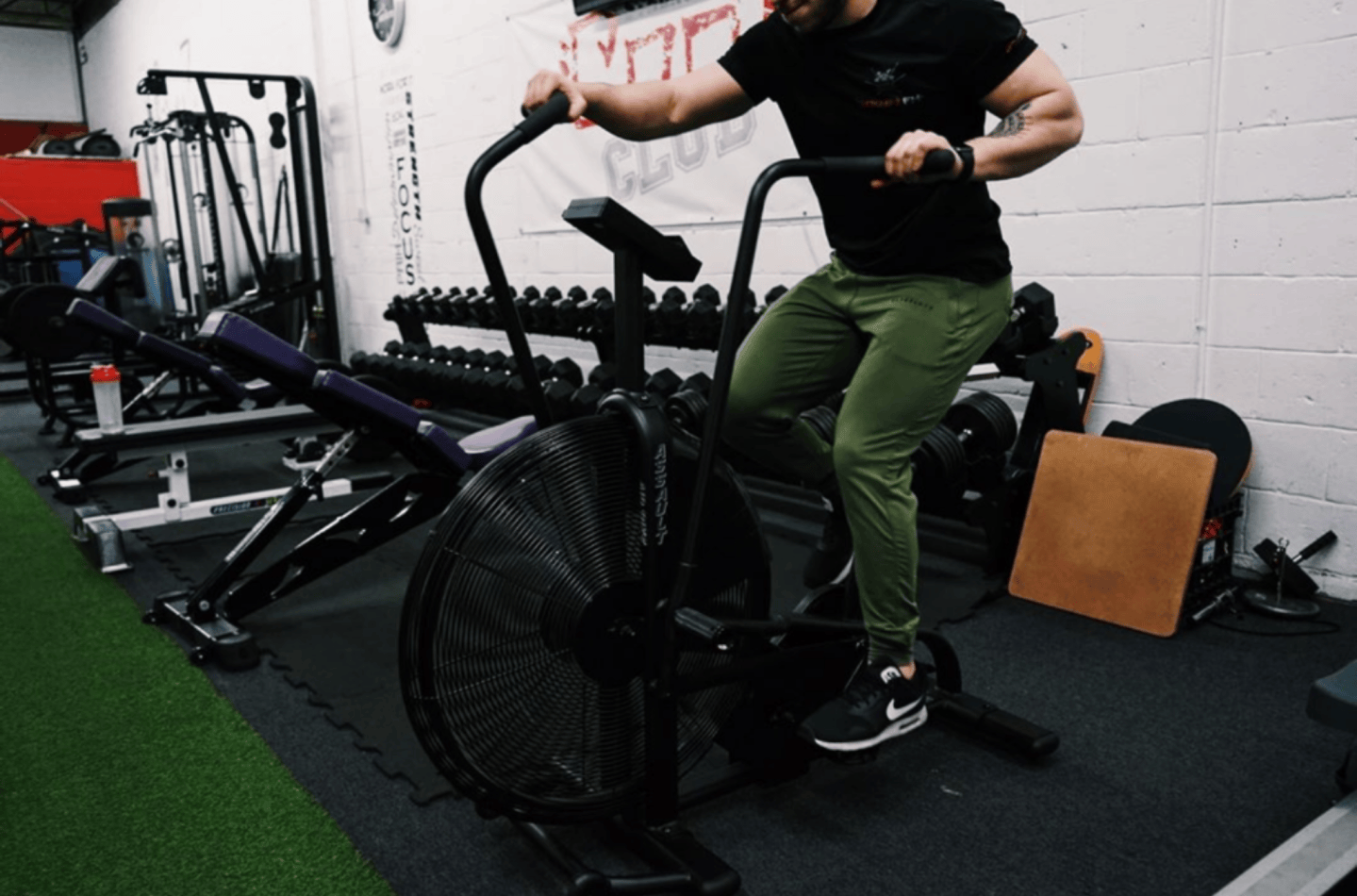
After a certain amount of time being spent in the gym, you will surely hear someone say “Hey bro, have you ever tried fasted cardio? I do it every morning to get as shredded as possible”. Now, your response to this person whom is most likely not shredded might be: “Why?” Is there actually science to back up fasted cardio for getting shredded? Actually, kind of. But not in the way that you think.
Gym-Bros tend to be fashionable extremists, meaning that they’ll cut off a finger if it means they’ll get an extra inch on their biceps. However, talking to them about health will probably not get you very far, and that’s the problem. Because the instances where fasted cardio tends to actually be a huge benefit is in long-term health. As a bonus, it probably can even help you get shredded! The only downside is that it won’t happen as quickly as you’d think (or like) which tends to lead people into finding ways to speed up progress, only to accidentally slow it down.
Now, in order to keep this article short, we’ll briefly go over how to make this work over the long-term, and spend more time on improving your short-term goals.
Long-Term Benefit
The long-term benefits of fasted cardio is on two fronts:
- Performing a 19 – 24 hour fast 1x/week
- Performing low-intensity cardiovascular activities on these fasted days
The goal here is to use longer fasts as a method of improving cellular health, and increasing metabolic flexibility (your body’s ability to effectively change between utilizing carbohydrates for fuel to fat for fuel when appropriate). The low-intensity cardio is an important factor as well because you want to promote fat oxidation as much as possible. Ramping up the intensity will change your nervous system response and promote the use of carbohydrates for energy.
But how quickly can you hope to improve your ability to be metabolically flexible?
Well, that kind of depends on you; How well can you manage stress? How well do you sleep? Are you diabetic or have insulin resistance? How consistently do you train? There are quite a few variables here, but the good news is that as long as you stay consistent you will see results.
Short-Term Benefit
So here is the bigger focus of this post. The benefit of fasting in general for long-term health and fitness is pretty awesome, but there is a downside: it takes long. The short term benefits tend to be lesser, but still there is an appropriate way to go about doing it.
Most people that are only in it for the short term will generally try to see how far they can push themselves. So, their fasted cardio becomes fasted sprints/high intensity work and sometimes leads to fasted strength-training altogether.
Why?
Well there’s always this idea that if a small amount works then a bigger amount will work more… which is not always the case. Remember that your body will select fuel generally based on intensity demand and what you’ve eaten (through insulin). So if you start to increase your intensity, you’re losing out on the benefit of fasting because now you’re creating a demand to change fuel sources.
However, there is a way around this:
A recent study in the Journal of the International Society of Sports Nutrition showed that taking in whey-protein isolate or casein protein before moderate-intensity exercise not only improved fat oxidation during the exercise, but actually positively effected energy expenditure post-exercise as well!
What does it all mean?
Generally if you want to put on more muscle and burn fat you want to eat prior to any moderate to high-intensity exercise. The more nutrients available, the more energy you have to train and increase muscle mass. The more muscle mass you gain, the better ability your body has to burn body fat and calories at rest.
When looking to fast however, it seems like the ideal way to train while fasted is at a low-intensity to keep the fuel selection the same and not have to worry about any unwanted breakdown.
So, in my opinion fasted cardio is a long-term game. It has amazing benefits when done properly, but shouldn’t be looked at the same way resistance training is. For quicker improvements: strength train 4x/week and throw in that low-intensity fasted cardio once a week, 20-30min should do just fine.
References:
Gieske, Bradley T., et al. “Metabolic impact of protein feeding prior to moderate-intensity treadmill exercise in a fasted state: a pilot study.” Journal of the International Society of Sports Nutrition 15.1 (2018): 56.
Goodpaster, Bret H and Lauren M Sparks. “Metabolic Flexibility in Health and Disease” Cell metabolism vol. 25,5 (2017): 1027-1036.

