
 Written by
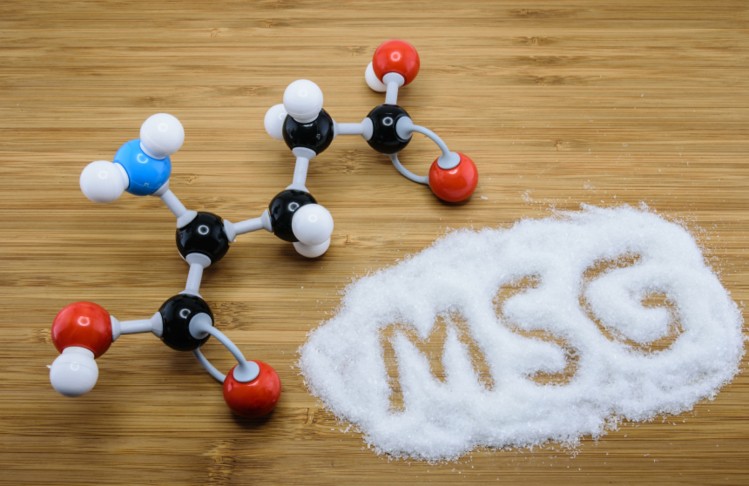
Among food additives, MSG is one of the most widely used additive in the world. Of course, anything that we add to food to make it taste better has implications, but are they as bad as we think they are?
If you research long enough you will find two sides to any argument. A lot of people like to cherry-pick information in order to get their point across or to sell something (so if a supplement company is showing you research, do your own before). However, this doesn’t necessarily mean that any of the information is wrong, but maybe it just doesn’t show both sides of the argument. MSG is a great argument because there are studies that show two sides to this additive, but are the arguments equal? Mono-Sodium Glutamate is the sodium salt derived from L-Glutamatic acid (not to be confused with the amino acid glutamine). Over the years, many studies have been published on MSG-induced reactions in humans, but most of this evidence seems to be anecdotal. However, it does seem like MSG consumption can have harmful effects especially in children and I would be skeptical of anything that makes food hyper-palatable. So let’s break down the more researched effects:
Long-Term Memory:
- Several studies conducted between 1993 and 2018 have shown a somewhat significant finding with MSG consumption and the degradation of long-term memory in rats after a 10-day administration of MSG. (Ramalho et al. 2018)
- MSG and Aspartate administered together and separately have been shown to have some damaging effects on the hypothalamus which can impair memory when administered in high doses. (Park et al. 2000)
- Neonatal MSG ingestion can have destructive effects on the hippocampus and impairs acquisition and retention of discrimination learning through glutamate receptors. (Kubo et al. 1993)
Endocrine Disruption
- Although this particular study was done on rats, there is evidence shown that low and high doses of MSG are capable of producing infertility problems, lesions in the tissues of the testes, and body weight changes (Alalwani 2014).
- GLP-1 is a peptide that is secreted to tell your pancreas to secrete insulin after a meal. Some studies have suggested that after a 72 hour exposure to MSG, GLP-1 expression declines significantly and a potential for pre-lethal cytotoxicity which can contribute to the obesogenic nature of MSG. Basically, impairing GLP-1 secretion and decreasing meal satiety response and glucose-stimulated insulin release is one of the current hypotheses leading to obesity. (Shannon et al. 2017)
Migraines and Hyperexcitation
- The well documented effect of glutamate on the NMDA recept ors in the brain, spinal cord, and peripheral tissues including nerves muscles and skin. Binding to these receptors cause an influx of intracellular calcium which creates a secondary magnesium deficiency, leading to nerve depolarization and activation of intracellular pathways:
- Brain: Neuroinflammation, increased pain sensitivity, neurodegeneration, depression and anxiety, migraine and seizure
- Body: Muscle contraction, muscle cramps, hypertension (due to increased peripheral resistance)
- While MSG is not the only culprit to migraines and hyperexcitation, once there are other factors at play MSG takes on a bigger role in the stimulation of neuroinflammation.
Conclusion:
For most of the studies listen above in regards to long-term memory and endocrine disruption, rats have been the main group that yields those results. Many of those methods wouldn’t be able to be tested in humans at the moment (or for ethical reasons), but considering that there has been such anecdotal evidence for over 40 years is a good sign. Whenever there are additives in food it is very important that we study the acute and long-term effects. There is not enough evidence to support the genotoxicity of MSG, and other studies have shown that it is safe to consume, but we cannot be sure of the consequences over many years. An argument here would be that the low doses used in the study were used for consecutive days and that might not occur in the general population, however it stands to reason that while an individual might not ingest MSG for two weeks straight, potentially several years of sporadic consumption in addition to lifestyle and potential of interactions with other illnesses and deficiencies may lead to issues down the line.
James
References:
Alalwani, Aisha D. “Monosodium glutamate induced testicular lesions in rats (histological study).” Middle East Fertility Society Journal 19.4 (2014): 274-280.
Kubo, Taizo, et al. “Neonatal glutamate can destroy the hippocampal CA1 structure and impair discrimination learning in rats.” Brain research 616.1-2 (1993): 311-314.
Park, Cheol Hyoung, et al. “Glutamate and aspartate impair memory retention and damage hypothalamic neurons in adult mice.” Toxicology letters 115.2 (2000): 117-125.
Ramalho, Juliana Bernera, et al. “Selenofuranoside improves long-term memory deficits in rats after exposure to monosodium glutamate: Involvement of Na+, K+-ATPase activity.” Physiology & behavior 184 (2018): 27-33.
Shannon, Maeve, et al. “The endocrine disrupting potential of monosodium glutamate (MSG) on secretion of the glucagon-like peptide-1 (GLP-1) gut hormone and GLP-1 receptor interaction.” Toxicology letters 265 (2017): 97-105.

